
By Denise S. Cann, Cann Legal Group | Information checked November 17, 2026.
A Canadian citizen can generally visit a boyfriend, girlfriend, fiancé, or spouse in the United States without obtaining a visitor visa first. But a visa exemption is not permission to move to the United States, work there, or remain indefinitely. At each entry, the traveler must qualify for the visit they actually intend to make.
For couples managing a relationship across the border, the central question is whether this is a genuine temporary visit with a credible plan to leave. A relationship with an American does not, by itself, mean that every visit requires a fiancé visa.
Visa exemption does not guarantee admission
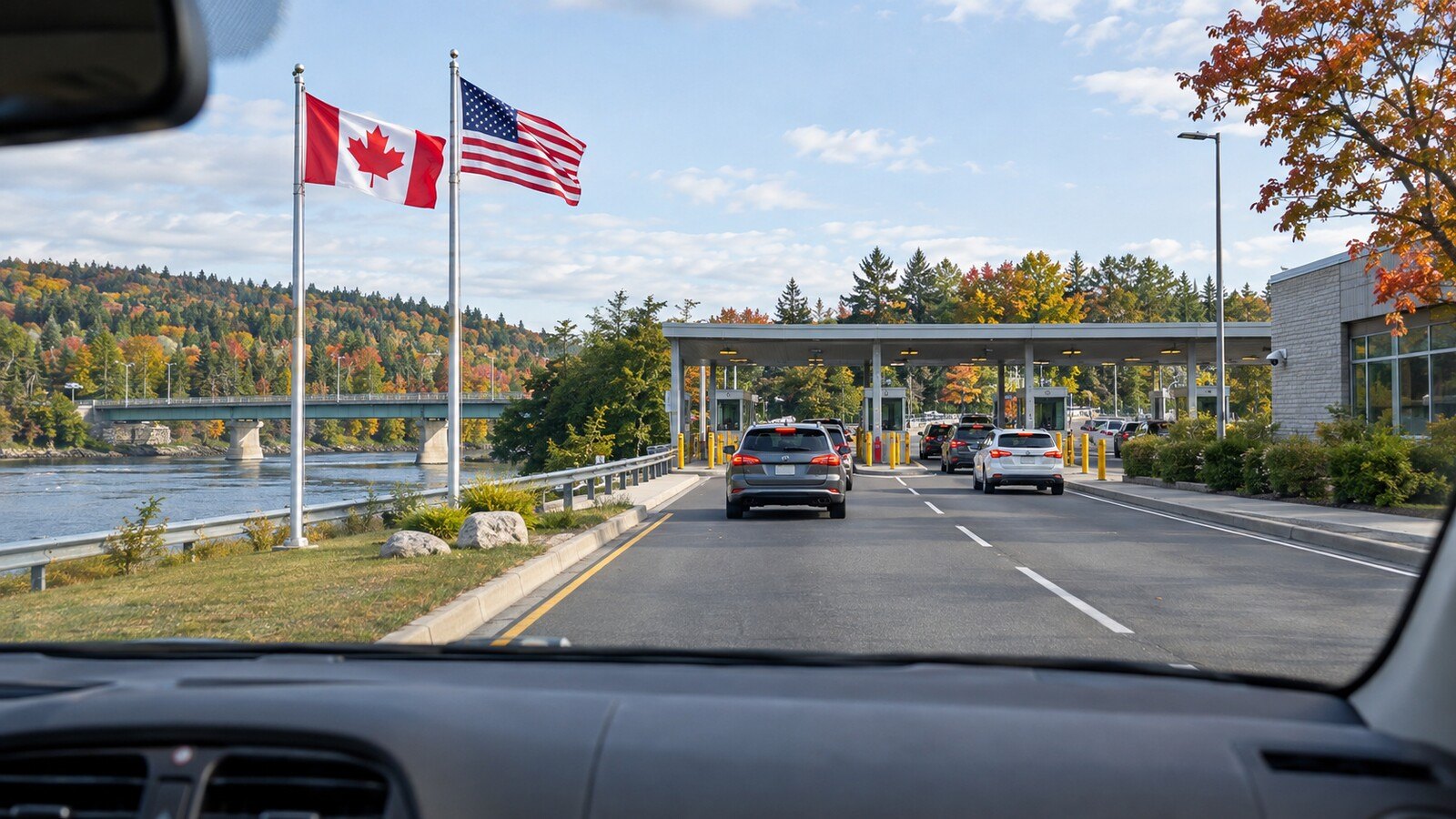
The U.S. Department of State’s guidance for Canadian citizens explains that most do not need a nonimmigrant visa, although important exceptions apply, including K fiancé classifications. U.S. Customs and Border Protection (CBP) still decides whether to admit the traveler.
The Canadian-citizen exemption should not be confused with the Visa Waiver Program. Canadian permanent residence alone does not provide the same exemption. A Canadian permanent resident’s U.S. travel requirements depend on their citizenship and eligibility; some may qualify for the Visa Waiver Program, while others need a visa. Canadian-U.S. dual citizens should enter as U.S. citizens using a U.S. passport, according to Canada’s U.S. travel advisory.
Explain the relationship and the actual purpose honestly
“I’m visiting my partner for ten days and returning to work in Canada” describes a different trip from “I’m bringing my belongings so we can live together permanently.” The facts—not a preferred label—must support the classification requested.
Be ready to explain where you will stay, your intended departure date, how you will support yourself, and your obligations outside the United States. Answer directly. If you do not know an answer, say so rather than guessing. Do not describe a romantic partner as merely a friend to conceal the relationship.
A misunderstanding does not automatically establish fraud. However, the State Department’s explanation of fraud and material misrepresentation warns that a qualifying finding can create permanent ineligibility, with waiver eligibility depending on the circumstances. Accurate explanations matter more than rehearsed answers.
Frequent visits can raise residence questions
There is no universal “wait this many days and your time resets” rule. CBP’s Canadian-visitor guidance says there is no set waiting period before reentry. It also explains that travelers appearing to spend more time overall in the United States than Canada may need to establish that they are not effectively U.S. residents.
Repeated lengthy trips, very short returns to Canada, or an open-ended plan can therefore prompt questions about where a person really lives. Prior admission does not promise the next admission.
Prepare a simple record of recent trips and a realistic itinerary. Common visiting patterns should be reviewed alongside employment, housing, finances, family obligations, and the couple’s longer-term plans. The question is not whether a calendar trick works; it is whether the actual arrangement remains temporary.
Bring useful evidence of a temporary trip

Canada’s travel advisory says CBP may request evidence of residential, employment, or educational ties to Canada, a legitimate purpose and reasonable trip length, and sufficient funds.
Depending on your circumstances, useful records may include:
- An employment letter confirming your position, approved leave, and expected return.
- A current lease, mortgage record, or other evidence of your home in Canada.
- School enrollment and upcoming classes, where applicable.
- A return itinerary and a clear address for your U.S. stay.
- Financial records consistent with the proposed visit.
These are examples, not a guarantee of admission or a requirement that everyone have every document. A retiree, student, and employed traveler may demonstrate a temporary plan differently. Carry genuine records that explain your own circumstances.
Does having an American fiancé require a K-1 visa?
Not for every temporary visit. The State Department’s Foreign Affairs Manual, 9 FAM 402.2-4(B), recognizes B-2 visitor classification for otherwise qualified people coming to meet a fiancé’s family, become engaged, plan a wedding, or renew the relationship. It also recognizes a temporary visit to marry when the traveler intends to return to a residence abroad soon afterward.
A K-1 visa serves a different purpose: entering to marry the U.S.-citizen petitioner within 90 days under the fiancé process. Canadians entering in that classification need the K visa. Couples already planning permanent relocation should obtain advice on an appropriate fiancé or spouse immigration process rather than treating visitor admission as permission to move.
Marriage plans, a pending petition, prior immigration history, and the intended stay require individual review. Do not assume that changing the wording of your travel explanation changes those facts.
Work and the authorized stay are separate issues
Visitor classification is not general employment authorization. The State Department’s visitor guidance identifies employment and permanent residence as purposes outside ordinary visitor travel. If you intend to perform work while physically in the United States—including a proposed remote-work arrangement—obtain advice about the specific activities before relying on visitor admission.
Canadian visitors are often admitted for up to six months, but do not assume every entry authorizes that entire period. Follow the period CBP actually authorizes and review your I-94 admission record if issued. An online travel-history list is not the same as an admission record. If no I-94 appears or the record is incorrect, clarify the admission terms rather than guessing.
Check registration requirements for a stay of 30 days or longer
USCIS’s current registration guidance requires certain people who remain for 30 days or longer to register before the 30-day period expires. This can affect Canadian visitors admitted at a land border without an I-94 or other qualifying registration.
Do not assume that every Canadian must file Form G-325R. An I-94 can establish registration, and current USCIS guidance also identifies people last admitted through specified Trusted Traveler Programs as already registered. Check the requirements for each trip, including the rules for children and adults, through USCIS’s determination tool. Adults 18 or older must carry the required evidence of registration.
Registration does not extend a visit, authorize employment, or create immigration status. It is a separate compliance question.
Electronic-device inspections need careful preparation
CBP’s device-search guidance distinguishes basic manual review from advanced searches. Under CBP policy, advanced searches require reasonable suspicion of a law violation within CBP’s authority or a national-security concern, plus senior-manager approval.
CBP also states that these searches concern information resident on the device and that officers may not access information stored solely remotely. Avoid assuming that every type of search has identical standards. If you carry confidential professional material or have a prior border problem, obtain advice before traveling. Do not fabricate messages, destroy evidence, or give false answers to make a trip appear different from what it is.
Plan before the next crossing
For a straightforward visit, align the purpose, proposed length, finances, and return plans. If you previously received a refusal, withdrawal, removal document, or warning, keep the paperwork and have it reviewed before another attempt; the exact decision matters.
Cann Legal Group assists couples with family immigration planning and reviewing travel concerns. Request a consultation to discuss your travel history, intended visit, and future plans together.
This article provides general information, not individualized legal advice. Entry decisions and immigration options depend on the facts and current law.